EcoFlow RIVER 3 Portable Power Station
Research-based review

EcoFlow RIVER 3

Worth Considering — Light-load portable backup

Main advantage
Portable backup for small loads within the base model’s 300W rated AC output.
Main drawback
The 245Wh capacity sets a limited energy budget; X-Boost is not 600W continuous rated output.

Best for: Phones, lighting and other loads within the base model limits.

Skip it: People needing sustained high-power appliances or whole-home backup.

Where to buy

Confirm the exact model, regional version and delivery. Payment stays with the seller.

Delivery market & regional checks

Check delivery eligibility on the seller’s page.

EcoFlow official website

Manufacturer source; choose your local region and confirm delivery

Check Current Price ↗

Price unavailable here. Stock, shipping, taxes and the delivered total must be checked with the seller. A marketplace search is not a verified offer.

Check compatibility, current manufacturer notices, returns and warranty before ordering.

Still deciding? Anything holding you back?

Optional help. You can keep browsing or go straight to a retailer.

Full review, alternatives & evidence

Research-based assessment; no Buy If Works hands-on test is claimed.

Three alternatives. Three different priorities.

These are source-based assessments, with model-specific limits and an individual conclusion. No hands-on comparison is claimed. Our shortlist explains the useful role and the compromise. Budget, value and premium are starting points — compare today’s delivered prices in your country.

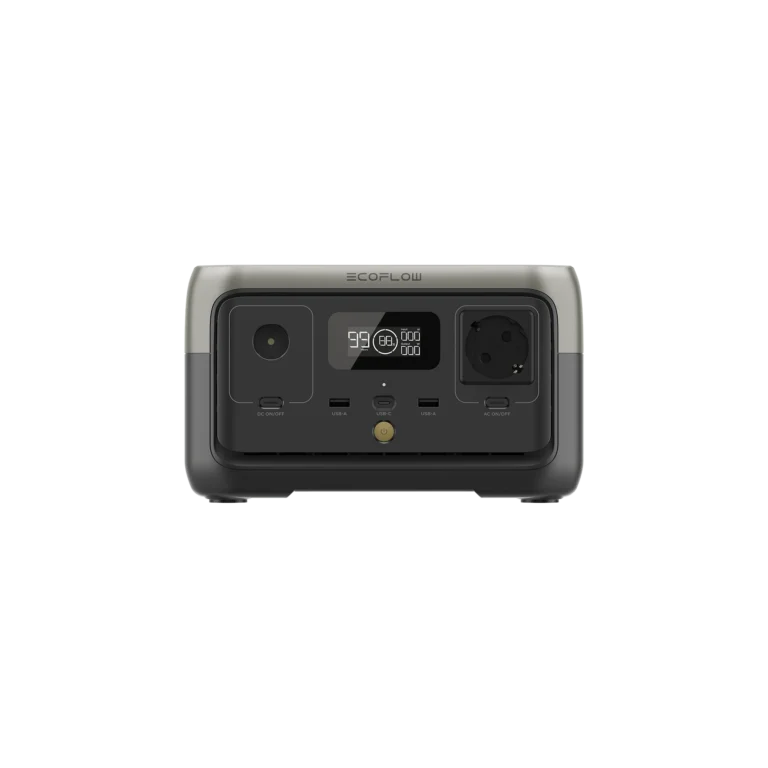
EcoFlow RIVER 2
Manufacturer product image ↗
Budget candidate

EcoFlow RIVER 2

Source-based assessment

An earlier compact station with listed 256Wh capacity and 300W AC output.

The catch: The older generation is not automatically better value; compare the RIVER 3 delivered price and low-load runtime.

Is this right for me?

Choose it when: A genuine local discount makes it sensible for light loads.

EU product source; US partner programme checked

Read product research →Manufacturer / retailer source ↗
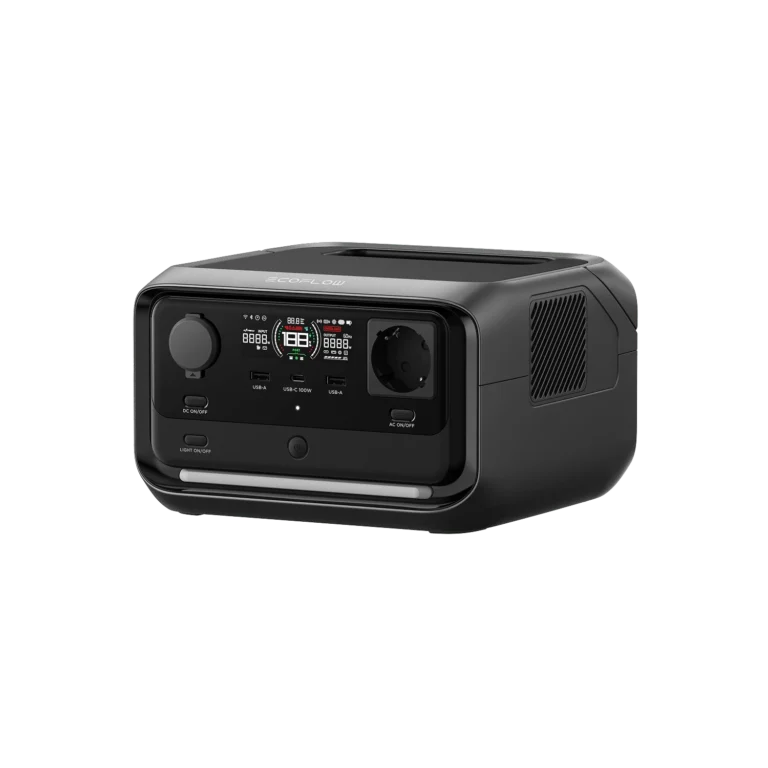
EcoFlow RIVER 3 Plus
Manufacturer product image ↗
Value candidate

EcoFlow RIVER 3 Plus

Source-based assessment

A station with listed 286Wh capacity and 600W rated AC output.

The catch: Check the exact Plus bundle and runtime at your load; extra batteries are separate.

Is this right for me?

Choose it when: Your appliance exceeds the base RIVER 3’s rated output, but a small station still fits.

EU product source; US partner programme checked

Read product research →Manufacturer / retailer source ↗
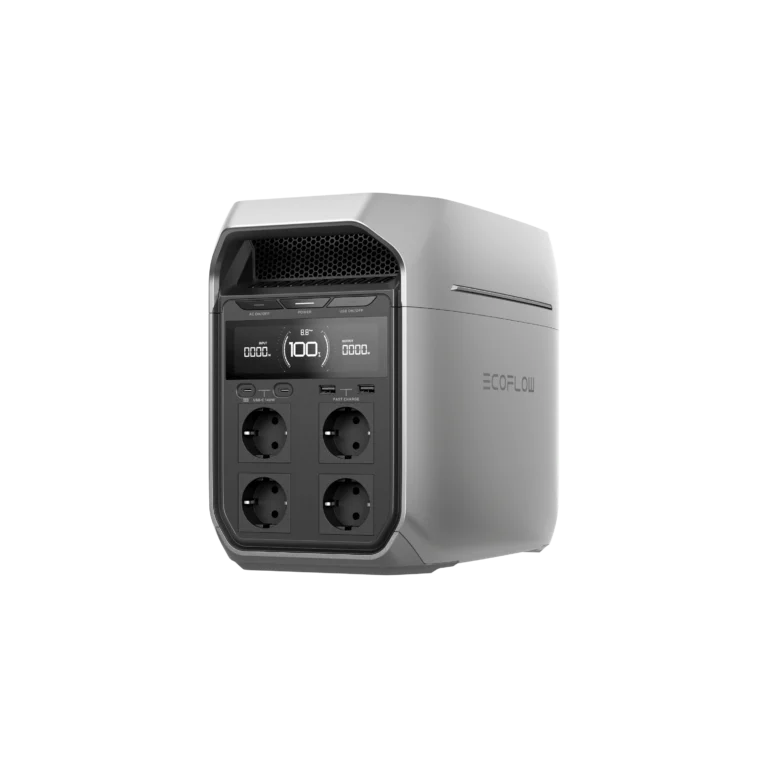
EcoFlow DELTA 3 Plus
Manufacturer product image ↗
Premium candidate

EcoFlow DELTA 3 Plus

Source-based assessment

A larger backup option in the DELTA 3 series, with 1024Wh class capacity.

The catch: Confirm the Plus variant and rated regional output; this is not a complete home-backup installation.

Is this right for me?

Choose it when: Longer backup and higher-power loads justify extra size and expense.

EU series page; select DELTA 3 Plus

Read product research →Manufacturer / retailer source ↗

Sources: the linked manufacturer or retailer pages. Checked 11 October 2026. Fit guidance is our editorial reasoning; no Buy If Works side-by-side test has been conducted. These are ordinary source links and currently earn us no commission. Check the exact model, local stock, voltage, delivery, returns and running costs.

Go a little deeper

The details, when you need them

Jump to a section

Scope: RIVER 3 base model; not RIVER 3 Plus, Max or UPS variant. This is a research-based buying assessment using manufacturer information and the outside source identified below. Buy If Works has not carried out a hands-on test of this product.

Product and model: what you are buying

The EU RIVER 3 listing specifies 245Wh capacity and 300W rated AC output, with USB charging outputs. It is different from RIVER 3 Plus and expandable bundles. EcoFlow advertises X-Boost support for some higher-wattage heating loads; that is not a general 600W rated-output claim.

What the outside evidence shows

StorageReview measured 210Wh delivered in a discharge test using a 300W fan, against the 245Wh capacity label. Its reviewer also found the controls accessible. This gives a useful example of why battery capacity and delivered energy differ. Its transfer-time description relates to the reviewed unit; it should not be applied to every regional or UPS-labelled RIVER 3 variant.

Read the original source: StorageReview — base RIVER 3 discharge test.

Where it fits in everyday use

Write down each load before shopping: USB devices, any AC devices and whether they need to operate together. Then distinguish occasional charging from continuous backup. A unit can have enough stored energy for a task while still lacking the output power needed to start a device. Equally, a high output rating cannot make a small battery last all night.

Strengths and trade-offs
  • Small-station format with AC and USB connectivity.
  • StorageReview published a measured discharge result for a base RIVER 3.

Modest capacity and 300W rated AC output limit tasks. Delivered energy varies; startup loads, electrical version and transfer behaviour require checking.

Ownership costs and practical checks

Budget beyond the purchase price

Potential up-front extras
A solar panel, compatible cables or other accessories only if your use case needs them and the selected bundle does not include them.
Repeating costs
Recharging energy. The amount depends on use, charging losses and your local electricity tariff; no universal annual figure is established here.
Check before paying
Separate the base RIVER 3 price from optional solar equipment. Check regional sockets, battery service, warranty handling and return-shipping costs.

First-year planning: delivered product price + required extras + the consumables, optional plans and energy you expect to use.

A cost checklist, not a live price quote or a measured annual total. Check local prices and your selected bundle. Manufacturer product / support details ↗ · Checked 11 October 2026.

Compare the complete kit, including any separately purchased charging leads or solar panel. Choose a larger unit only when the extra energy or output is useful enough to justify carrying and storing it. For a dedicated backup task, check the device manufacturer’s requirements and the exact station version rather than relying on the word “UPS” alone.

  1. Confirm base RIVER 3 versus Plus, UPS and solar bundles.
  2. Match continuous output and startup requirements to your devices.
  3. Check socket type, charging accessories and any separately sold solar panel.
Questions before buying
Is X-Boost the same as 600W rated AC output?

No. The base model’s rated AC output is 300W. X-Boost support for some loads is a separate feature.

Can I calculate runtime from 245Wh?

Use energy divided by load power as an initial estimate, then allow for losses and operating conditions. It is not guaranteed delivered energy.

Is this review for RIVER 3 Plus?

No. It concerns the base 245Wh model. Plus, UPS-labelled versions and bundles require their own checks.

Evidence limits

Worth Considering is a conditional editorial assessment of the use case described here. It is not a hands-on performance score or a best-in-category award. External tests concern their reviewers’ units and conditions; we have not verified long-term reliability, every regional revision or today’s delivered price.

Sources

Source review updated 11 October 2026. Historical reviews are identified above where version changes matter. Manufacturer pages establish listed features; external reviews supply separately attributed observations. Outside publications may use their own affiliate links. Buy If Works has not copied their ratings or their affiliate links.

Back to Products → · Suggest a correction